
Share

Related Links
On the Earth's surface, sedimentary rocks make up over 70% of the exposed rocks. These rocks form in various environments such as rivers, lakes, and oceans, providing excellent materials for studying the evolution of Earth's systems. Geochemistry, an interdisciplinary subject combining earth science and chemistry, uses principles and methods of chemistry to study Earth science problems. It investigates the chemical composition, chemical reactions, and chemical evolution of the Earth and extraterrestrial bodies using elements and isotopes.
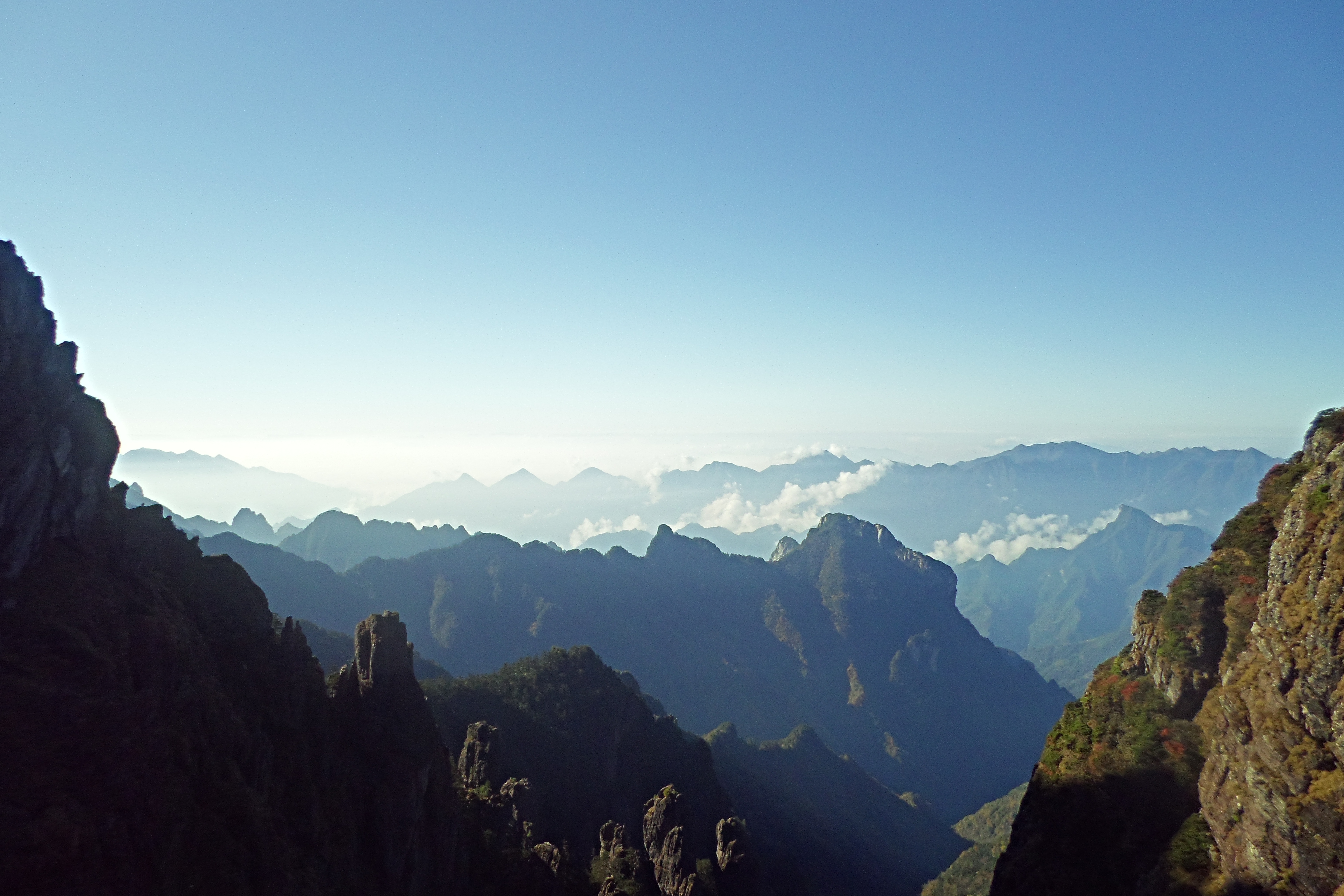
The research center focuses on the role and feedback mechanisms of the environment and organisms in Earth's long evolution over 4.6 billion years. Special attention is given to major geological transition periods. By utilizing sedimentary rocks as a carrier and geochemistry as the primary tool, the center aims to explore the role and feedback mechanisms of the environment and organisms in Earth's long evolution over 4.6 billion years, particularly during major geological transition periods. This research is aligned with national strategies such as “double carbon” and "energy security".
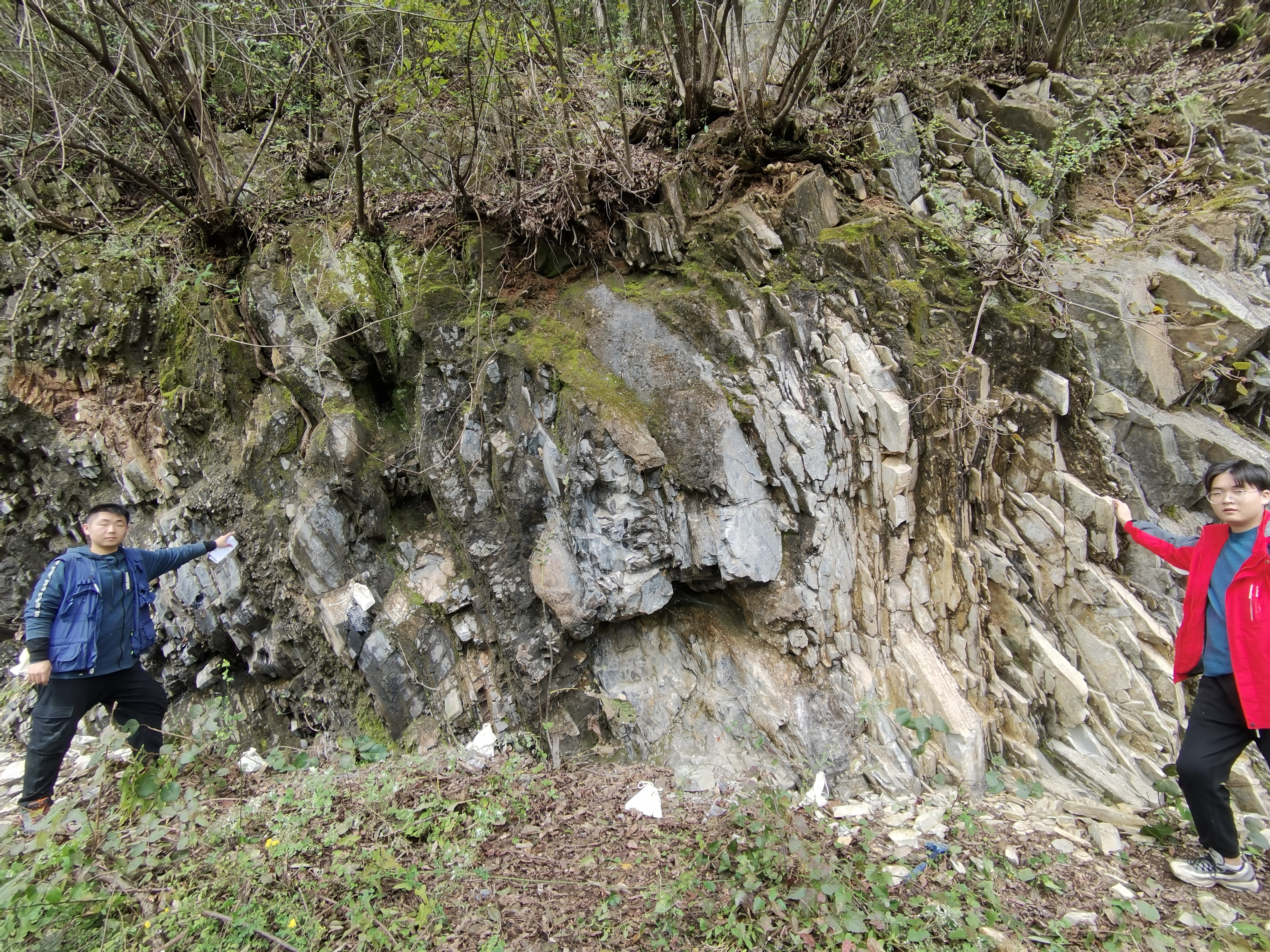
The Earth system consists of interconnected components including the atmosphere, hydrosphere, continental sphere (lithosphere, mantle, and core), and biosphere. Earth system science aims to study the interaction, mechanisms of action, evolution, and regulation among these subsystems. Organisms rely on suitable environmental conditions, such as oxygen content, temperature, pH, and salinity. At the same time, organisms influence and shape their surroundings, leading to a complex co-evolution relationship between the environment and organisms. Understanding this intricate relationship requires the study of multiple environmental parameters across different spheres, including atmospheric composition evolution, oceanic chemical composition, and continental surface properties. Guided by the principles of Earth system science, the research center focuses on the chemical evolution of the ocean, linking it to energy-driven tectonic processes and the exchange of materials among the sea, land, water, and atmosphere to unravel the laws governing Earth's operations.
“Change” is the constant theme in the history of Earth's evolution, and the dynamic transformations represent the captivating story of geological events. Over the past 4.6 billion years, the Earth has experienced dramatic shifts, such as ice and snow extending to the equator during cold periods and the disappearance of glaciers from the poles during warm periods. There have been periods of mountain formation and periods of high tectonic activity. The powerful rulers of the Cambrian seas yielded to the dominance of the Ordovician seas, and barren lands transformed into vibrant ecosystems teeming with life. All these past events are recorded in ordinary stone, waiting to be discovered and explored. This information will enable us to make more scientific utilization of Earth's energy and resources, protect the environment, tackle the climate crisis, and achieve a harmonious coexistence between humanity and nature.
The research conducted at the center is primarily divided into three areas: "Technology development", "geological research", and "geological application". The focus of “Technology development” is to address the needs of “geological research and application” by targeting the development of new indicators, enhancing analysis methods, and gaining a clearer understanding of tracer mechanisms. Ultimately, this research aims to serve the field of "geological research and application". Prominent developments in this area include the advancement of carbonate-related indicators and non-traditional stable isotopes.
“Geological research” is further categorized based on different time periods, such as the "Middle age of the Earth", "Pre-Cambrian-Cambrian transition", "Ordovician-Silurian intersection", and "Mesozoic". Within these categories, the research questions mainly revolve around studying the chemical state of the ocean, elemental cycles, productivity, and chemical weathering of the land. The focus of “Geological application” lies in serving the exploration of oil and natural gas, particularly focusing on shale oil and shale gas resources.
The center places significant emphasis on "sedimentary geochemistry and biogeochemistry", aiming to expand its boundaries and eagerly welcomes individuals with ambitious aspirations to engage in exchange, collaborate, or join the center’s research efforts.


028-84079071

No. 1, East 3rd Road, Erxianqiao, Chenghua District, Chengdu, Sichuan Province

sgbg@cdut.edu.cn